How to Bring Plants from Thailand: PQ7 & Phytosanitary Certificate (Bangkok)
I wanted to bring a plant home from Thailand but didn't know the rules. Here's how to get a phytosanitary certificate (Form PQ7) in Bangkok: where to go, what to bring, and the mistakes I made.

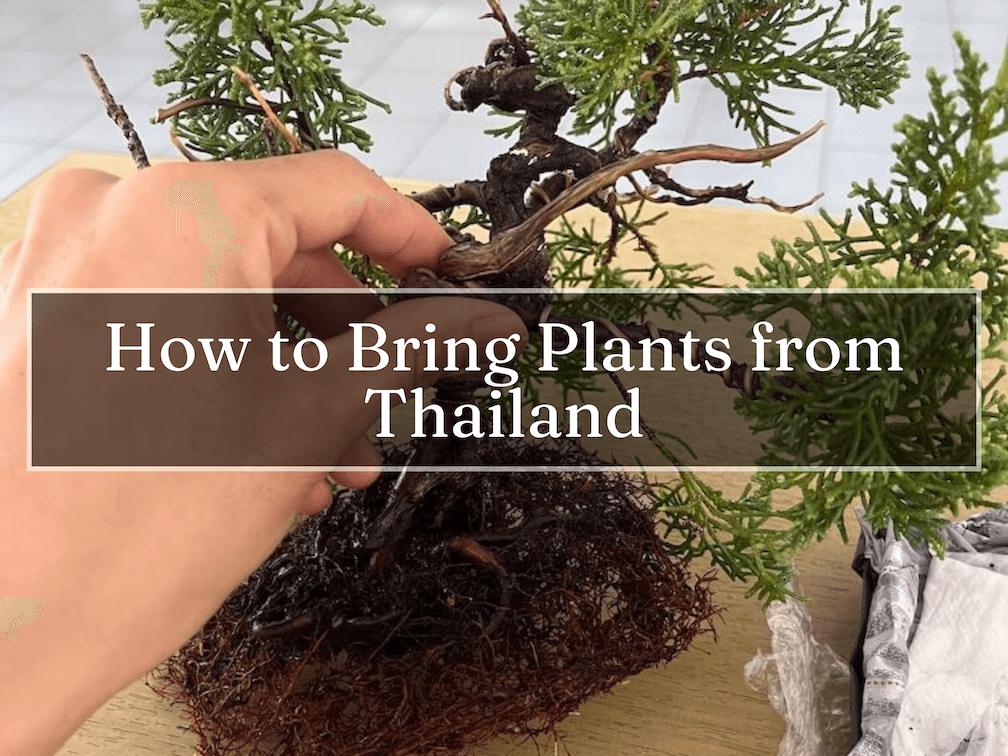
Every time I'm at Chatuchak, I walk past the plant stalls and think about grabbing a few. They're cheap, unusual, nothing like what we get in Singapore. For a long time, I assumed I could just buy one, wrap it up, and take it on the plane.
I was wrong.
I looked it up. It turns out you can't just throw a plant in your bag and fly home. In many cases, you require a phytosanitary certificate to prove the plant is pest-free.
But almost everything online about Thai phytosanitary certificates and Form PQ7 is written for businesses exporting plants in bulk. I didn't see many guides explaining it from the perspective of someone who just wants to bring 1-2 plants home.
So this blog post is written for exactly that, individual travellers who want to legally bring plants out of Thailand. I did this in Bangkok, so that's what I'm covering here.
1. What Is Form PQ7 & a Phytosanitary Certificate?
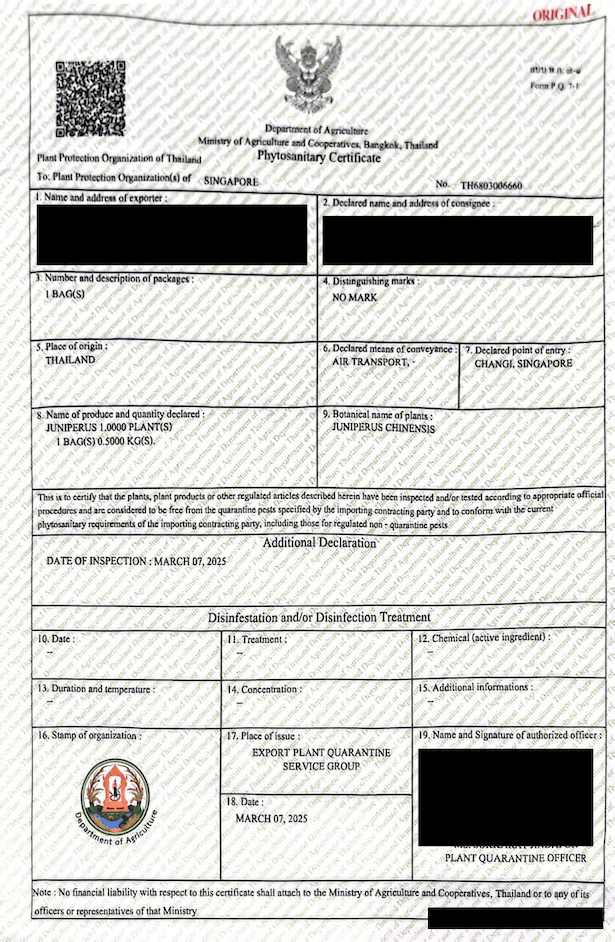
A phytosanitary certificate is an official document that certifies a plant is free from pests and diseases, and that it meets the import requirements of the destination country.
In Thailand, the application form used to issue this certificate is called Form PQ7.
In simple terms:
- Phytosanitary certificate = the final document you receive and show your country’s immigration
- Form PQ7 = the application form used in Thailand to request the Phyto cert
Even if you’re only bringing one small plant for personal use, many countries (including Singapore) still require this certificate.
2. What You Need to Bring
Before heading down to the office, prepare:
- The plant(s) you want to export
- Your passport (original)
- Flight details (helpful but not required)
- Form PQ7 (optional, you can fill it in on-site)
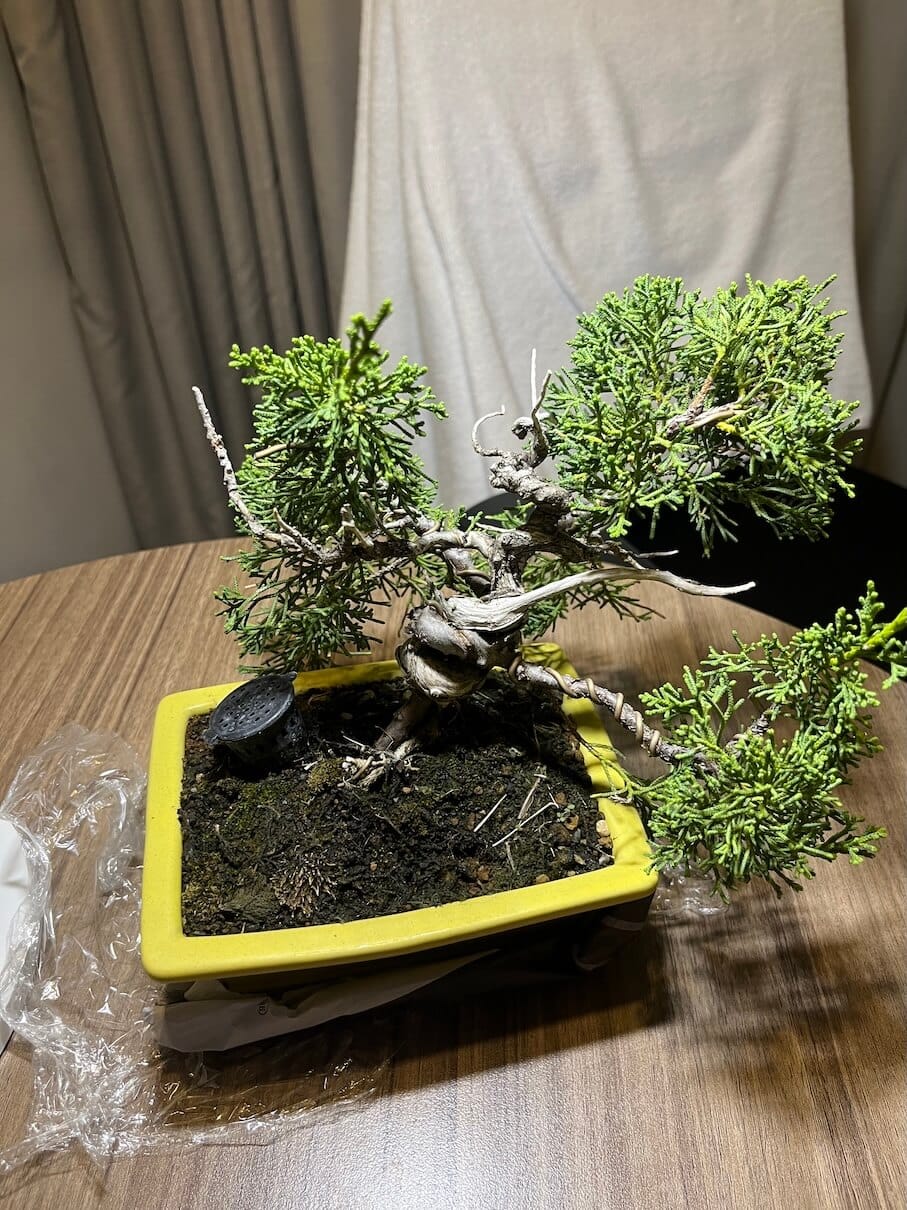
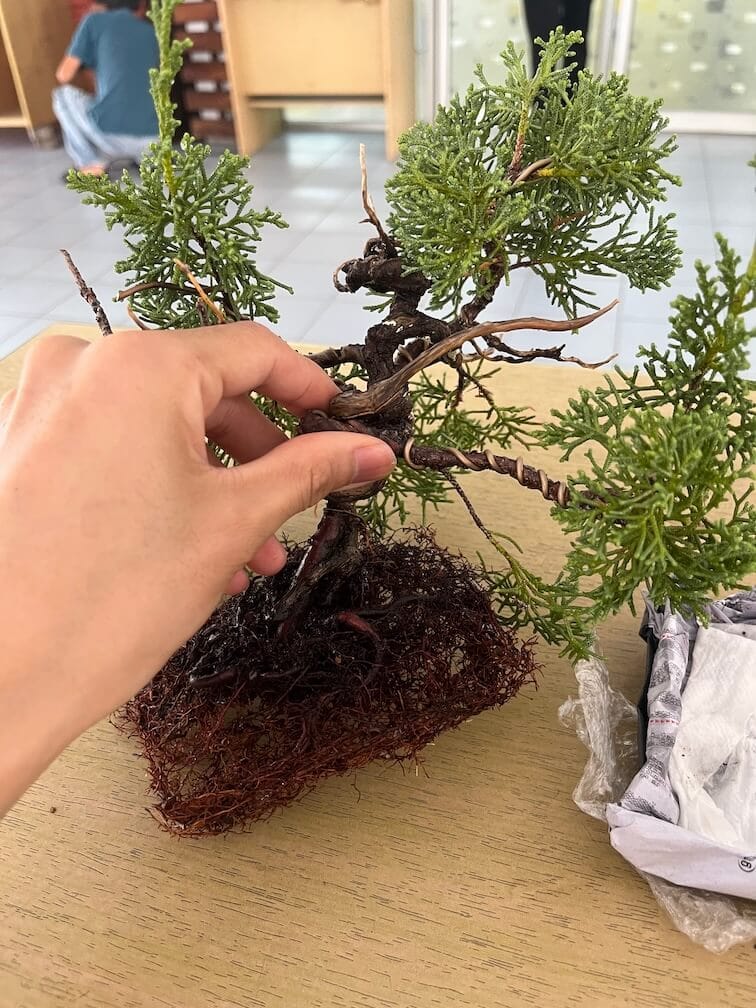
Important: Your plant must be de-soiled / soil-free.
This means:
- No soil at all
- Roots must be bare or at least seen clearly.
They won't let you through otherwise. Soil can carry pests, and the officers need to clearly see the roots.
You can de-soil the plant yourself before going. I recommend doing it first! It saves time and awkwardness.
3. Where to Do This in Bangkok
In Bangkok, phytosanitary certificates are issued at Kasetsart University.
The office is called: Agricultural Products Export Service
But Kasetsart University is huge, so don't just search for the university. Use this specific Google Maps pin for the office.
4. What Actually Happens
Assuming your plant is already de-soiled:
- Take a Grab or drive to the office location.
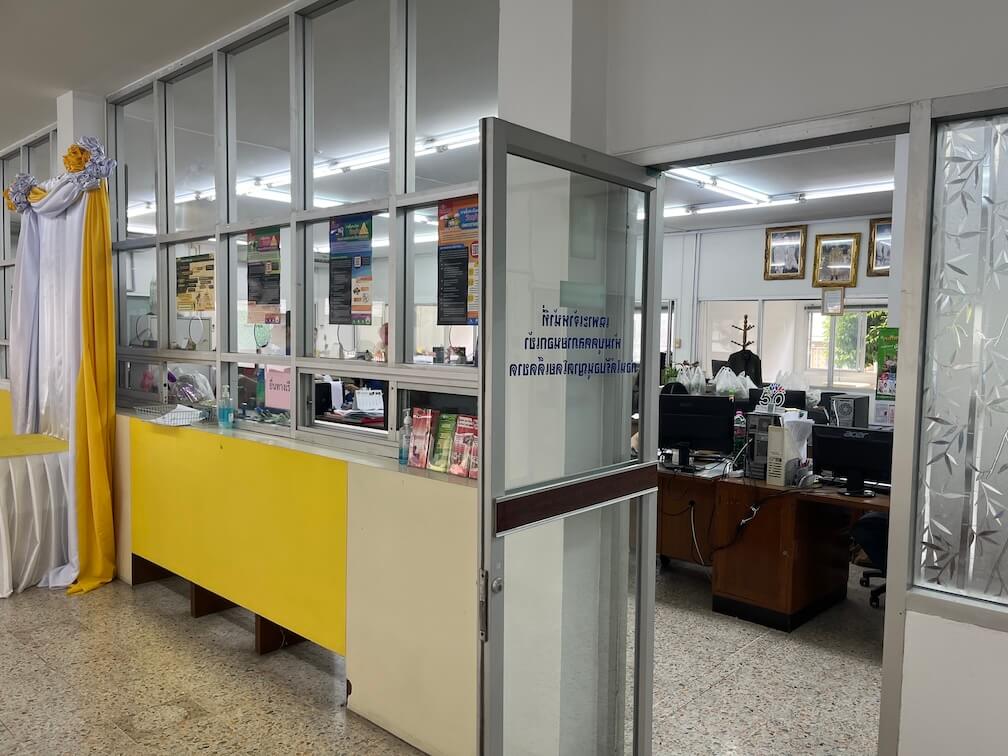
- Once you walk in, there's a main counter, but that's not where you go first.
- On the right-hand side, there’s a smaller counter. Go there first and tell the staff that you want to apply for Form PQ7.
I simply told them I wanted a PQ7 and showed them my plant.
Here's where I messed up: I didn't de-soil my plant before going. They sent me outside to manually wash it off with a hose. It was quite embarassing. Don't be me, do it at your hotel!


Once your plant is ready:
- You’ll be given Form PQ7 to fill in.
- After that, you’ll be brought to a sheltered outdoor hall with tables that is right outside the office. This is where the plant inspection happens.
The inspection itself is straightforward. The officer will check the leaves and roots for pests or signs of disease. It only takes a few minutes. While they're inspecting, you can finish filling in the form.
- After inspection, wait around 20-30 minutes for processing.
- Pay the fee.
- Collect your phytosanitary certificate.
From start to finish, the entire process took me about 1 to 1.5 hours.
5. Fees & Processing Time
- Fee: 100 THB per certificate
- Processing time: ~1 hour (can be longer if busy)
Don’t go too late, the office closes at 4:00 PM.
6. Things I Got Wrong (So You Don’t Have To)
- ❌ I didn't de-soil my plant beforehand. Big mistake.
- ❌ I almost went to the wrong building within Kasetsart University. Use the exact Maps pin.
- ❌ I went later in the afternoon and it was cutting it close. Go in the morning if you can.
Other tips:
- Bring a small towel or some tissues to clean the roots
- Be patient. They don't usually deal with tourists doing this, so it might take a little longer.
7. Is It Actually Difficult?
Honestly, the entire process itself isn't hard at all. The confusing part is just figuring out where to go and what to bring. Once you're there, it's straightforward.
The hardest part, honestly, is finding clear information. A lot of foreigners end up using agents just because they can't figure it out. But if you know what to prepare, you can do this yourself and save the agent fee.
8. A Few Things People Asked Me After I Posted About This
Can someone else collect the certificate on my behalf?
Usually yes, but they may ask for your documents and some kind of authorization. Safer to go in person if you can.
Can this be done on the same day as my flight?
Technically yes, but risky! Processing takes time, and the office closes at 4 PM. I'd do it at least one day before.
Is English spoken at the office?
Basic English, yes. But don't expect detailed explanations. Simple phrases and pointing usually work fine.
What if something is missing or wrong?
They'll tell you what needs to be fixed. You might have to leave and come back, which is why preparing beforehand helps.